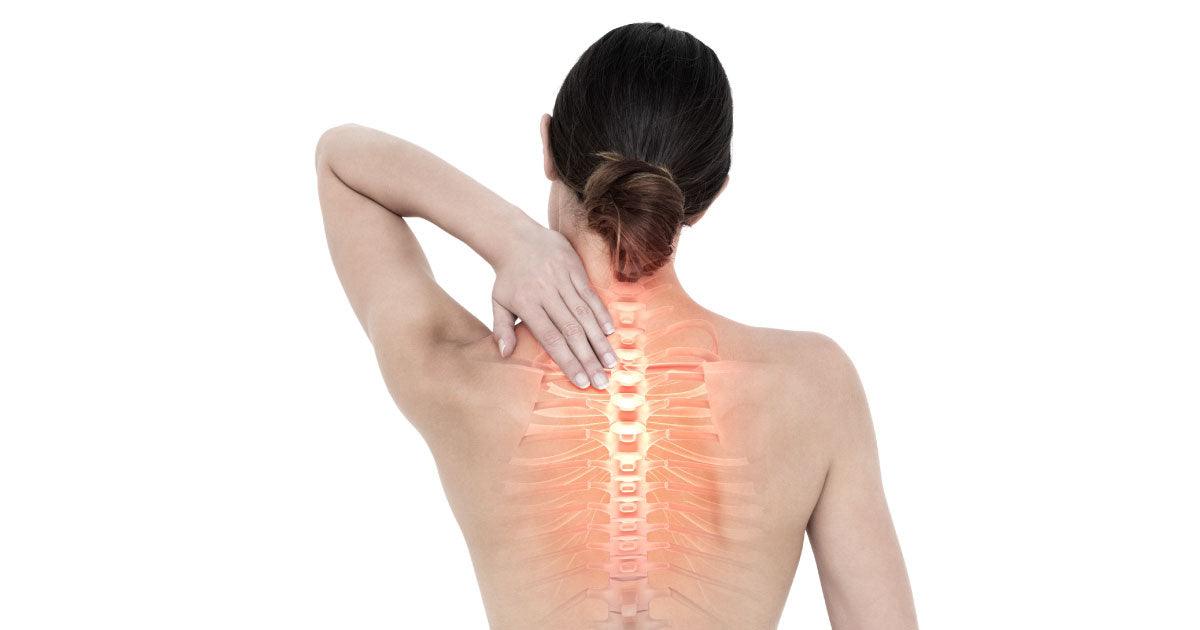

Physical therapy is a healthcare profession that focuses on improving a person’s movement, function, and quality of life. It is often recommended for individuals recovering from injuries, managing chronic conditions, or seeking to prevent future problems. Understanding what physical therapy involves, the techniques used, and the benefits it offers can help anyone make informed decisions about their health.
What is Physical Therapy?
Physical therapy, often called physiotherapy, is a science-based approach to restoring and maintaining physical function. Therapists assess movement patterns, identify areas of weakness or pain, and create personalized treatment plans. The goal is not only to treat injuries but also to enhance overall mobility, reduce pain, and improve daily function.
Unlike medication or surgery, physical therapy focuses on active treatment. It emphasizes strengthening muscles, improving flexibility, and retraining movement patterns to prevent further injury. This makes it an essential component in both rehabilitation and long-term wellness.
Common Techniques Used in Physical Therapy
Physical therapy employs a variety of techniques, depending on the individual’s needs. Some of the most common include:
- Manual Therapy:
Therapists use their hands to manipulate muscles and joints to reduce pain, improve mobility, and encourage healing. Techniques can include massage, joint mobilization, and stretching. - Exercise Therapy:
Targeted exercises strengthen specific muscles, improve balance, and enhance coordination. Exercise therapy can involve resistance training, stretching routines, and functional movements designed to mimic daily activities. - Modalities:
These are tools and devices used to aid recovery. Common modalities include ultrasound, electrical stimulation, heat or cold therapy, and traction. Each modality has specific benefits, such as reducing inflammation, relaxing muscles, or promoting tissue repair. - Education and Training:
Physical therapists educate patients about posture, ergonomics, and movement strategies to prevent injury. This may include teaching proper lifting techniques, correcting gait, or advising on safe exercise practices. - Specialized Techniques:
Some therapists offer advanced approaches like dry needling, aquatic therapy, vestibular rehabilitation, or neurological rehabilitation for conditions like stroke or Parkinson’s disease.
Benefits of Physical Therapy
Physical therapy provides numerous benefits, not only for recovery but also for overall health.
- Pain Management: Physical therapy helps reduce pain through targeted exercises, manual therapy, and modalities, often reducing the need for long-term medication.
- Improved Mobility: Regular therapy enhances flexibility, strength, and coordination, allowing patients to move more freely and confidently.
- Injury Prevention: By addressing muscle imbalances and poor movement patterns, physical therapy reduces the risk of future injuries.
- Recovery from Surgery or Injury: Post-surgical rehabilitation or recovery from accidents is faster and safer with a structured therapy plan.
- Management of Chronic Conditions: Physical therapy is effective in managing conditions such as arthritis, back pain, or neurological disorders, improving quality of life.
- Better Balance and Stability: Targeted exercises reduce the risk of falls, particularly in older adults.
Tips to Maximize the Benefits of Physical Therapy
To get the most from physical therapy, consider these tips:
- Follow Your Plan Consistently: Exercises and recommendations are designed specifically for your condition, so consistency is key.
- Communicate Openly: Share feedback about pain levels, progress, or difficulties with your therapist to adjust your treatment effectively.
- Incorporate Lifestyle Changes: Healthy habits like proper nutrition, regular movement, and adequate rest complement therapy.
- Stay Patient and Committed: Recovery takes time. Gradual progress is normal, and persistence yields long-term benefits.
- Practice Exercises at Home: Home exercises prescribed by your therapist reinforce treatment and accelerate recovery.
Conclusion
Physical therapy is a versatile and evidence-based approach to improving physical function, managing pain, and enhancing overall health. By combining manual techniques, exercise, education, and specialized therapies, it addresses both immediate injuries and long-term wellness. Whether recovering from surgery, managing a chronic condition, or simply aiming to maintain mobility, physical therapy offers tools and strategies that empower patients to move better and live healthier.
Investing time in therapy, staying consistent, and following professional guidance ensures the best outcomes and helps prevent future physical challenges.
If you are from Abbotsford and looking for best clinic for therapy then visit our website : legendphysio clinic
Written by: Liane Dobrev